Experiences, destinations and gear. Explore new places, discover what’s possible and live every adventure.
Is walking on sand harder? Why, and how to make the most of it
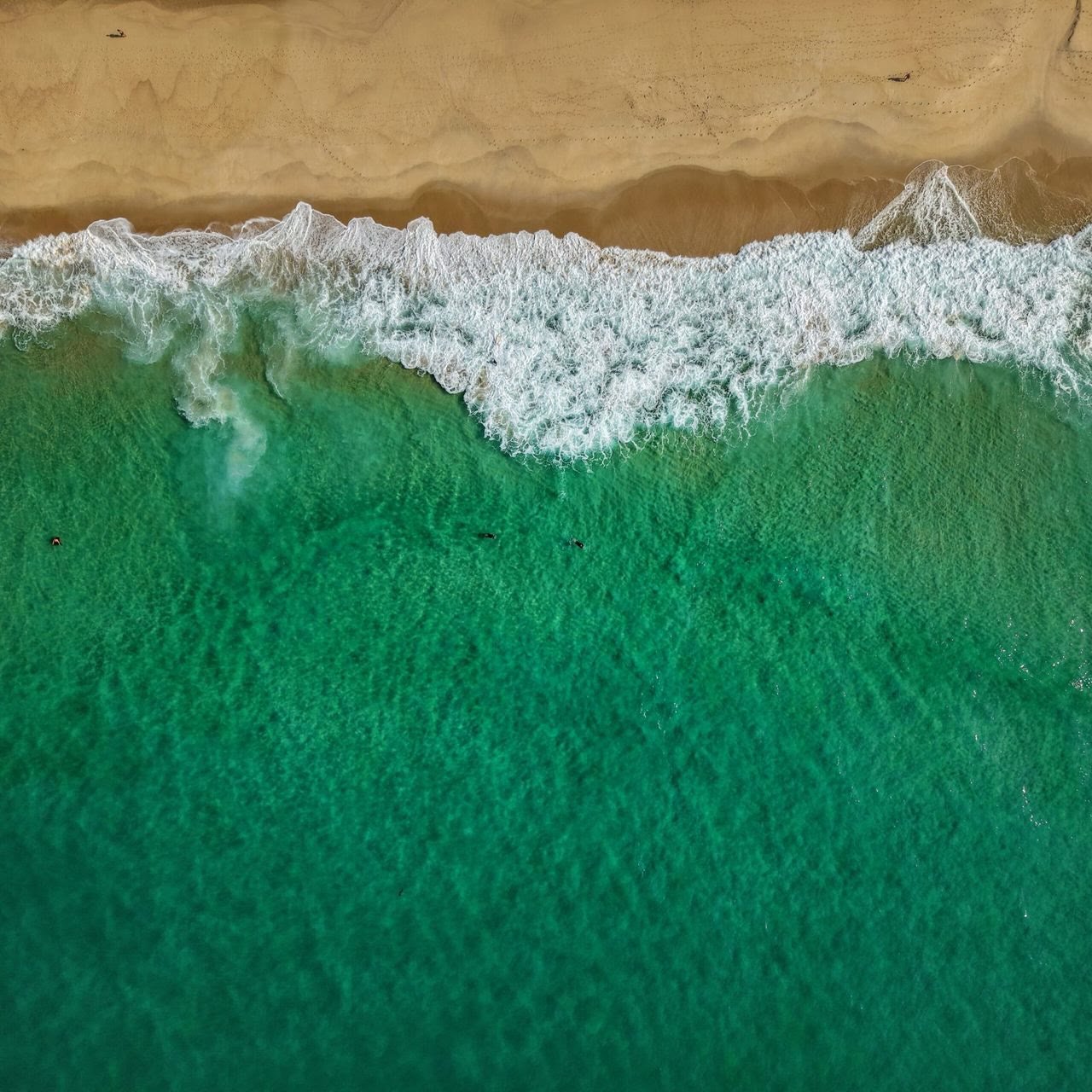
Quick answer: Yes, it is. In a biomechanics study, walking on soft sand took 2.1 to 2.7 times more energy than walking on firm ground at the same speed. That doesn’t mean "losing twice the weight": it means sand asks more of your legs, so it’s worth knowing where to step and starting slowly.
You get to the beach determined: "today I’m walking to the next lifeguard post". The first minutes go well. Then the soft sand starts pulling your foot down, your calves heat up and, halfway there, you’re already looking for the wet strip near the water. It’s not lack of fitness. It’s physics.
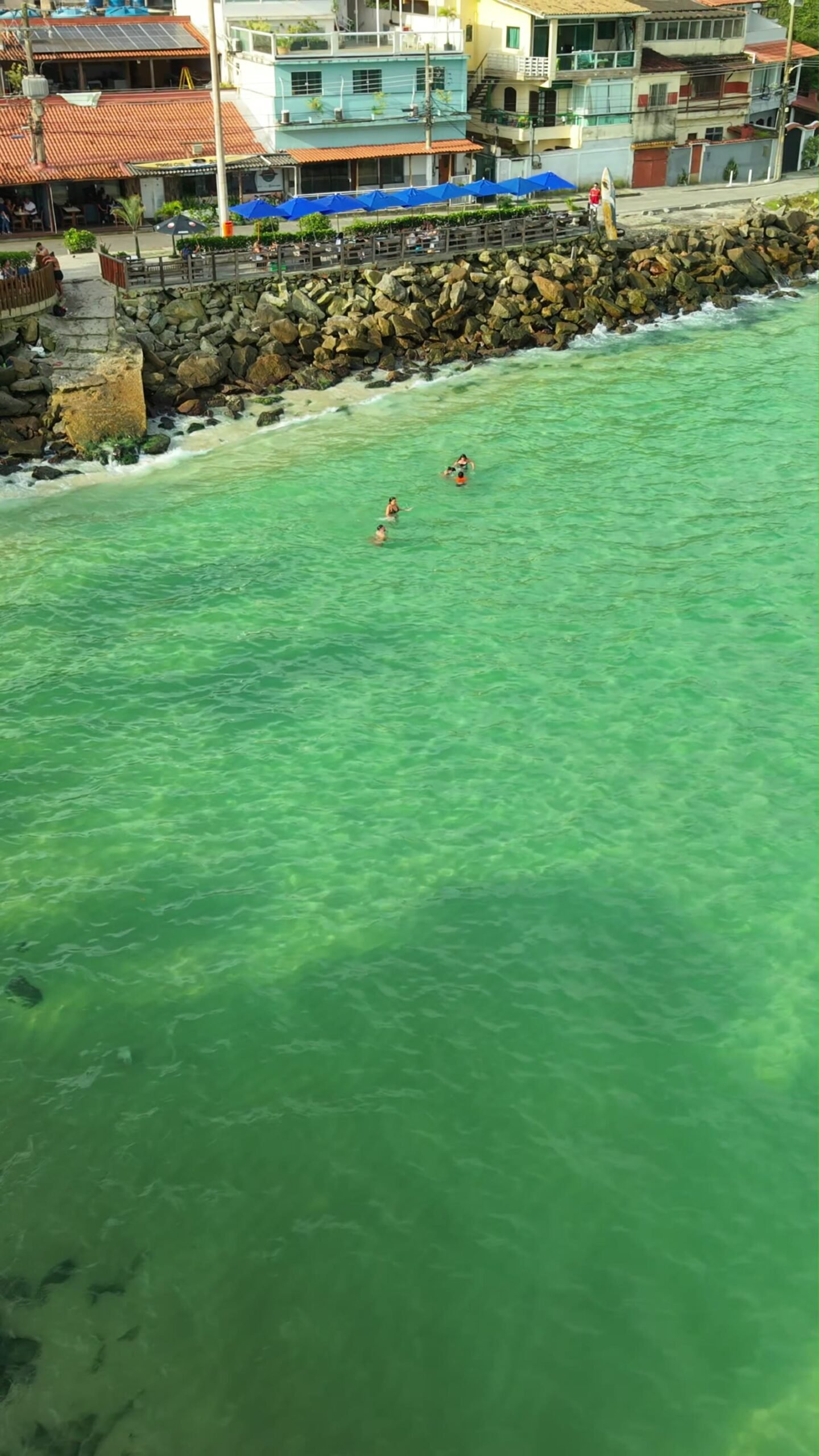
What science measured
In 1998, Belgian researchers measured people walking and running on loose sand and on firm ground. On sand, each step required more work from the muscles, and the energy needed to walk at the same speed was 2.1 to 2.7 times higher. A 2006 study compared sand and grass and pointed the same way: sand asks more of the body.
Two things to keep in mind when reading these numbers:
- they were measured on soft sand, not on the wet strip;
- burning more energy per step does not mean losing twice the weight. Results depend on pace, time, diet and each person.
How to walk on sand without suffering

Why soft sand is so tiring
On firm ground, your foot pushes and the ground pushes back. On soft sand, part of that push disappears: your foot sinks, the sand slides back and your body has to redo the movement with every step. Calves, ankles and the front of your thighs work twice as hard to keep you balanced. That’s why ten minutes on dry sand feel like half an hour on the boardwalk.
Pick the right strip: wet sand is your shortcut
Look at the beach before you start. Near the water, where the wave just passed, the sand is dark, smooth and firm: it’s the strip that tires you least and gives the best rhythm. The soft sand in the middle of the beach is for those who want more effort, in short stretches. A good combo: go along the wet strip and come back for a few minutes on soft sand, if your body feels fine.
Watch out for the sloping edge
At high tide, the strip near the water is often sloped, and one leg ends up walking lower than the other. For a few minutes, that’s fine. For an hour, the knee and hip on the lower side will complain the next day. The simple rule: walk back the same way so the sides switch, or move up to a flatter part.
Start short and build up slowly
If you’re not used to it, 15 to 20 minutes on the wet strip is a good first day. Notice how your ankles and calves feel the next day. If all is well, add a few minutes per week or include a short stretch of soft sand. Pain that appears and gets worse during the walk is a sign to stop, not to push on.
Barefoot or water shoes?
Barefoot, your foot feels the ground and walking feels more natural, as long as the sand is cool and clean. At noon, dry sand burns your soles in minutes, and near rocks and kiosks you’ll find shells, bottle caps and glass. In those cases, water shoes solve it: light, quick-drying and they stay on when the wave comes.
The best time is early (or late afternoon)
Before 9am or after 4pm, the sun is weaker, the sand is cool and the beach is emptier for keeping a steady pace. Bring a bottle of water, wear sunscreen even when it’s cloudy (reflection from water and sand increases exposure) and use a cap or visor. If you feel dizzy, get a headache or feel sick, stop in the shade and drink water.
A walk that’s actually good
The idea that changes everything: walking on sand doesn’t have to be a painful workout. At the right time, on the right strip, it’s a way to start the day with the sound of the waves instead of traffic. And when the walk ends with a swim, nobody counts the minutes.
Liked it? Send it to that friend who only walks on the boardwalk.
And after the walk, the sea
If your idea of a perfect day is sand, green water and no rush, check out the Tijuca Islands boat tour: 4 hours at sea from Barra, with SUP, snorkel and life vests on board.
Read also
- Why does a morning at sea feel so good? What science says
- What to bring on a boat tour (water shoes and sunscreen are on the list)
Health note: This content is for information only and does not replace advice from a health or fitness professional. Talk to a professional before starting a new activity.
Follow Rogers.Explore
Places, tips and behind the scenes of adventures in Rio, right on my social media.
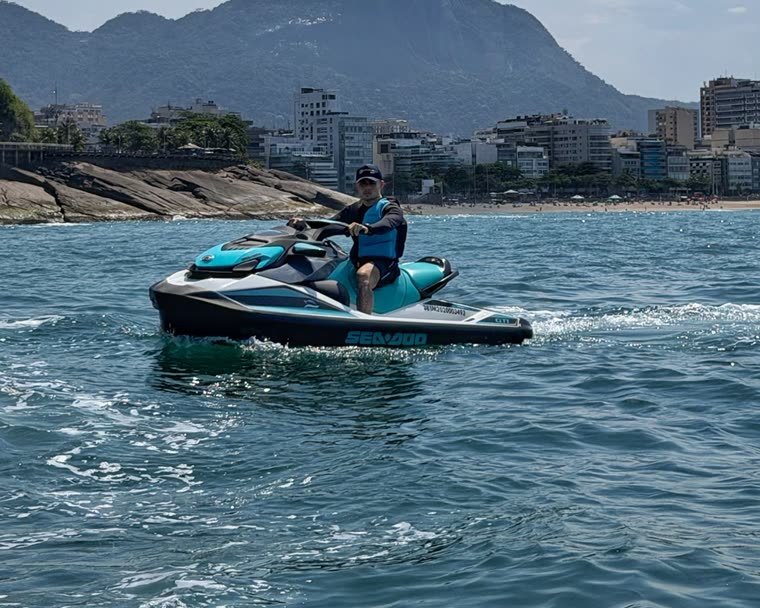 First time on a jet ski in Rio: how it works and what to bring
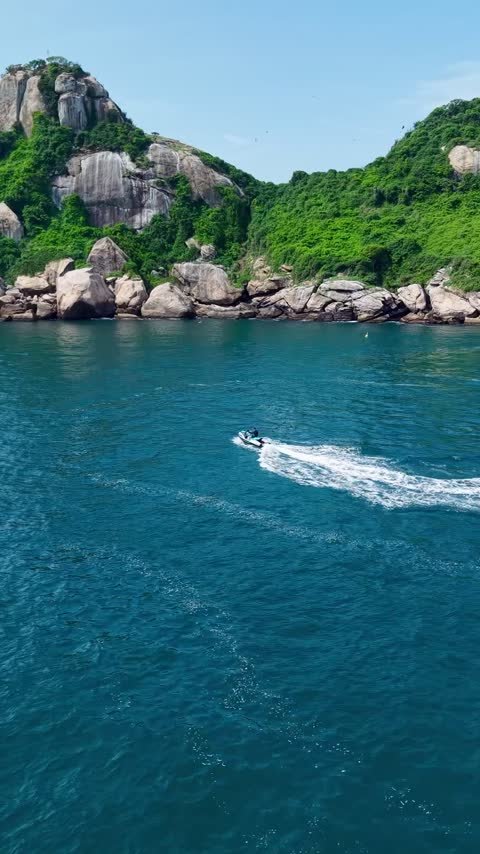 Jet ski or boat tour in Rio: which one to choose?
 Why does a morning at sea feel so good? What the science says