Experiences, destinations and gear. Explore new places, discover what’s possible and live every adventure.
Why does a morning at sea feel so good? What the science says
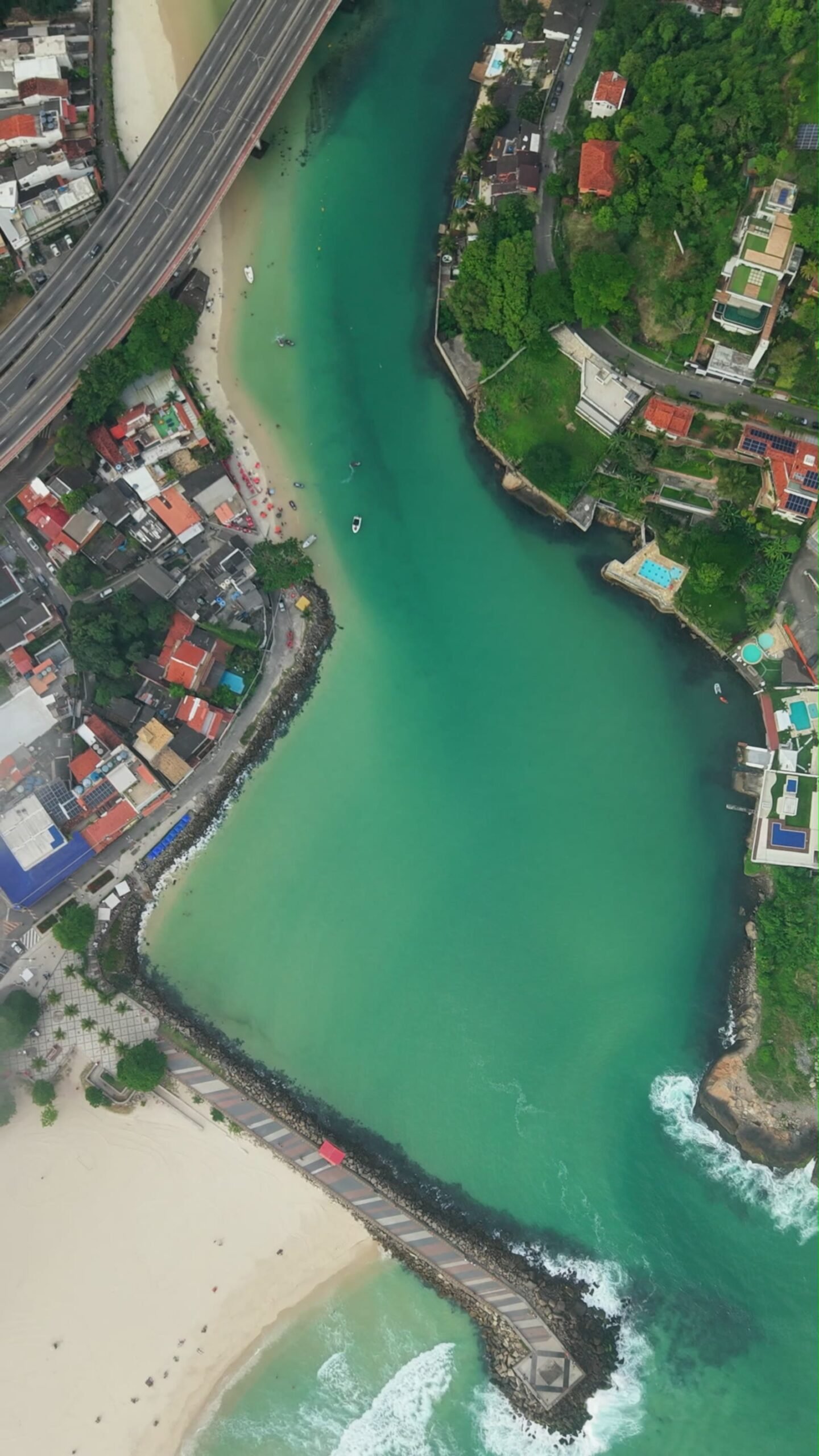
Quick answer: Studies show a positive but modest link between spending time near water and feeling better. The effect comes from the mix of movement, nature, a break from routine and good company. No study allows anyone to say the sea cures anxiety or stress.
Have you ever reached the beach with a crowded head and, after a while looking at the sea, noticed you had slowed down? It’s not just in your head, but it’s not magic either. Science has a few answers, and they get more interesting when told without exaggeration.
The honest summary: being near water shows up linked to more wellbeing and more movement. What studies don’t allow us to say is that the sea, on its own, cures anxiety or stress.
What "blue space" means

Researchers call blue space any place where water dominates the view: sea, beach, lagoon, river. It is the cousin of "green space", which means parks and forests.
A 2017 review brought together 35 studies and found a positive link between living or spending time near water and having more wellbeing and more physical activity. The honest detail: most of those studies observe people; they don’t prove cause and effect.
The real size of the effect
A 2021 meta-analysis pooled the numbers and found a small effect: on average, people with more frequent contact with water report a little more feeling of mental "recharge". The studies differ a lot from each other, so read it as a trend, not a guarantee.
Picture a morning in Barra. You leave home, put your to-do list aside, board the boat, chat, paddle for a few minutes, get in the water and then just look at the islands. You can’t tell which part did you good. It’s the combination.
Why small? Because the sea doesn’t work alone. What matters is the sum:
- you move (swim, paddle, walk);
- you step out of routine and away from screens;
- you are outdoors, in natural light;
- you are usually with people you like.
Moving your body outdoors
The World Health Organization recommends that adults get 150 to 300 minutes of moderate activity a week. A day at sea can add part of that without feeling like a workout. But note: the time sitting on the boat is leisure, not exercise. What counts is the time you spend swimming, paddling or walking, and how hard.
A 2021 review of nature-based activities found better mood and less perceived stress among participants, once again with modest effects that vary from person to person.
SUP, swimming and snorkeling: what each one asks of your body
- SUP: balance, core and arms. It can be a gentle ride or a hard session, depending on your pace. If you have never stood on a board, the first challenge is getting up: start on your knees, in calm water, close to the boat, and only then stand. Research on SUP is still limited and small.
- Swimming: works the whole body, and the effort depends on your pace and technique. The sea is not a pool: waves, currents and wind change the effort from one day to the next. Respect the flags and the lifeguards.
- Snorkeling: light movement and lots of attention to the seabed. It’s the most contemplative of the three, which is why it’s easy to lose track of distance while watching fish. Agree on a plan with your group, stay close to the boat and, if you can’t swim, say so beforehand and wear a vest.
Walking on sand is harder (and it’s true)
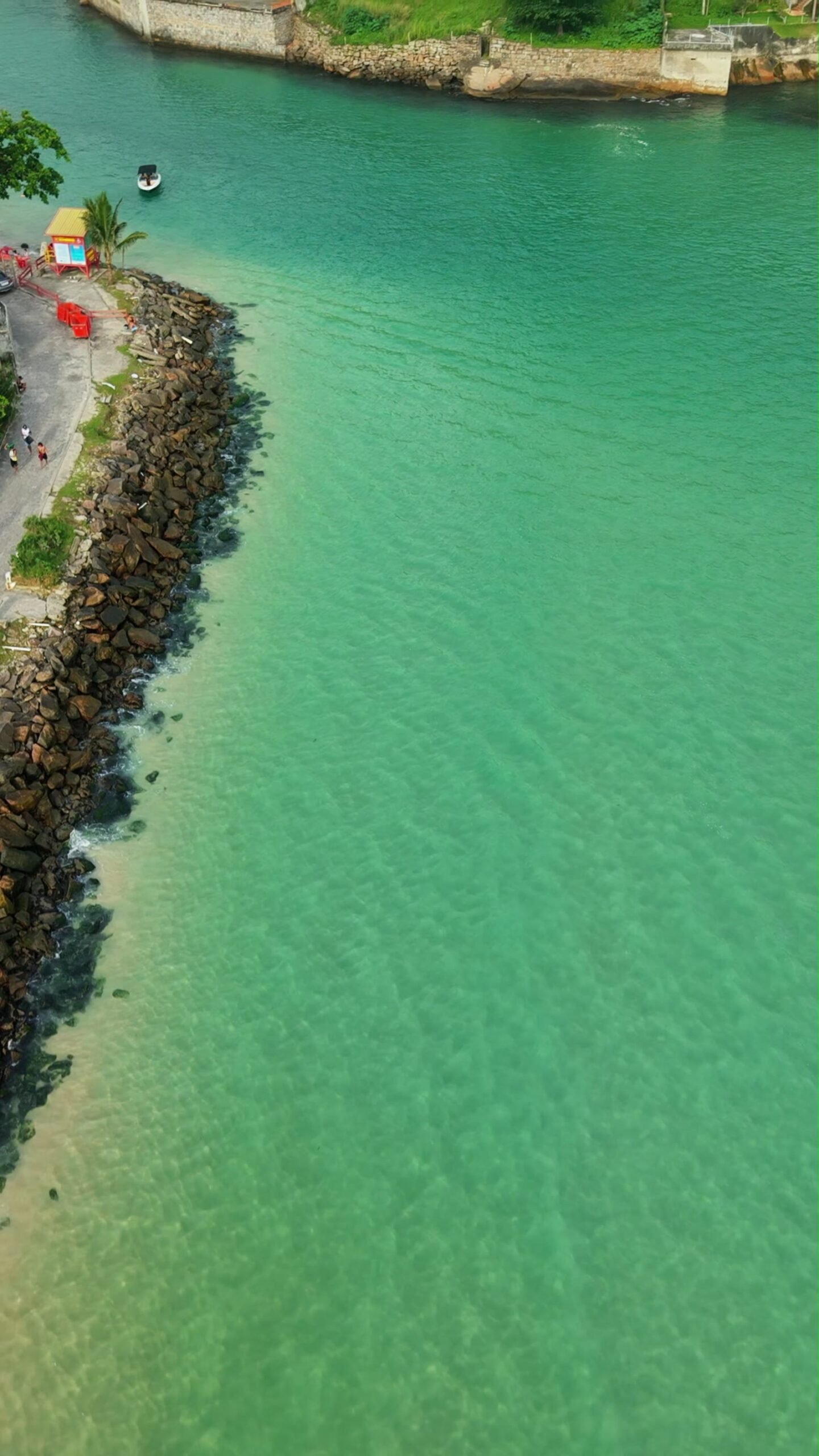
A 1998 biomechanics study measured that walking on soft sand used 2.1 to 2.7 times more energy than on firm ground, under the test conditions. That doesn’t mean you "burn twice the fat". It means sand asks more of your legs, so start slowly. We explain it all in is walking on sand harder?
Sun and vitamin D: the good side and the limit
Sunlight helps the body make vitamin D. But you don’t need to roast for that, and too much brings sunburn, heatstroke and skin cancer risk. At sea, the sun comes from above and bounces back off the water.
There is no number of minutes in the sun that works for everyone. If you have questions about vitamin D, your doctor is the one to answer them, not the beach.
The combo that works: water-resistant sunscreen, a UV shirt, a hat or cap and water from early on. See the full list in what to bring on a boat tour.
What nobody can promise you
- That going to the beach cures anxiety or depression.
- That a single visit changes your health forever.
- That SUP will "tone" your body.
- That walking on sand burns twice as much fat.
If you are going through a hard time, see a health professional. The sea can be part of a good routine, not the treatment.
How to turn this into a good day
Pick a calm-sea day (the Brazilian Navy publishes wind and wave forecasts), go early, when the sun is weaker, bring little and keep your phone away for a good part of the time. Take photos, yes, but keep a few moments just for you. If you want to do it without worrying about boat, vests and gear, the Tijuca Islands boat tour has SUP, snorkel and life vests on board. If your vibe is more adrenaline, check our tips for your first jet ski ride.
FAQ
What is "blue space"?
It is what researchers call places where water dominates: sea, beach, river, lagoon. It is the "blue" cousin of green space, like parks and forests.
Does going to the beach reduce stress?
Studies link contact with nature and water to lower perceived stress and better mood, but the average effect is small and varies from person to person. It does not replace treatment.
Do I need sun to get vitamin D?
Sunlight helps the body make vitamin D, but you don’t need long exposure, and too much raises the risk of sunburn and skin cancer. Wear sunscreen and talk to your doctor about vitamin D.
Is SUP good exercise?
Stand-up paddling works balance, core and arms, and can be easy or hard depending on your pace. Research is still limited and small, so nobody can promise a specific result.
Can non-swimmers enjoy the sea?
Yes, with a life vest, close to people who know the spot and respecting the lifeguards’ flags. On the boat tour, life vests are on board.
How much time by the sea does it take to feel something?
There is no proven duration that works for everyone. Studies vary in setting, activity and people. A morning can be great, but there is no guaranteed "dose" of sea.
Does a boat tour count as exercise?
Not automatically. Sitting while the boat moves is leisure. What counts as physical activity is the time you swim, paddle or walk, and the effort depends on your pace.
Is it better to stay on the sand, swim or paddle?
There is no best option for everyone. Choose what you enjoy, what fits your fitness and the sea conditions that day.
Sources
- Gascon et al. (2017): review on blue spaces and health
- Georgiou et al. (2021): meta-analysis of blue space mechanisms
- Coventry et al. (2021): outdoor activities and mental and physical health
- WHO: guidelines on physical activity (2020)
- NIH: vitamin D (health professional fact sheet)
- Scoping review on SUP and health
- Lejeune et al. (1998): walking on sand
- Brazilian Ministry of Health: heatstroke (Portuguese)
- Brazilian Navy: marine weather forecast (wind and waves, Portuguese)
Health note: This content is for information only and does not replace advice from a health or fitness professional. Talk to a professional before starting a new activity.
Follow Rogers.Explore
Places, tips and behind the scenes of adventures in Rio, right on my social media.
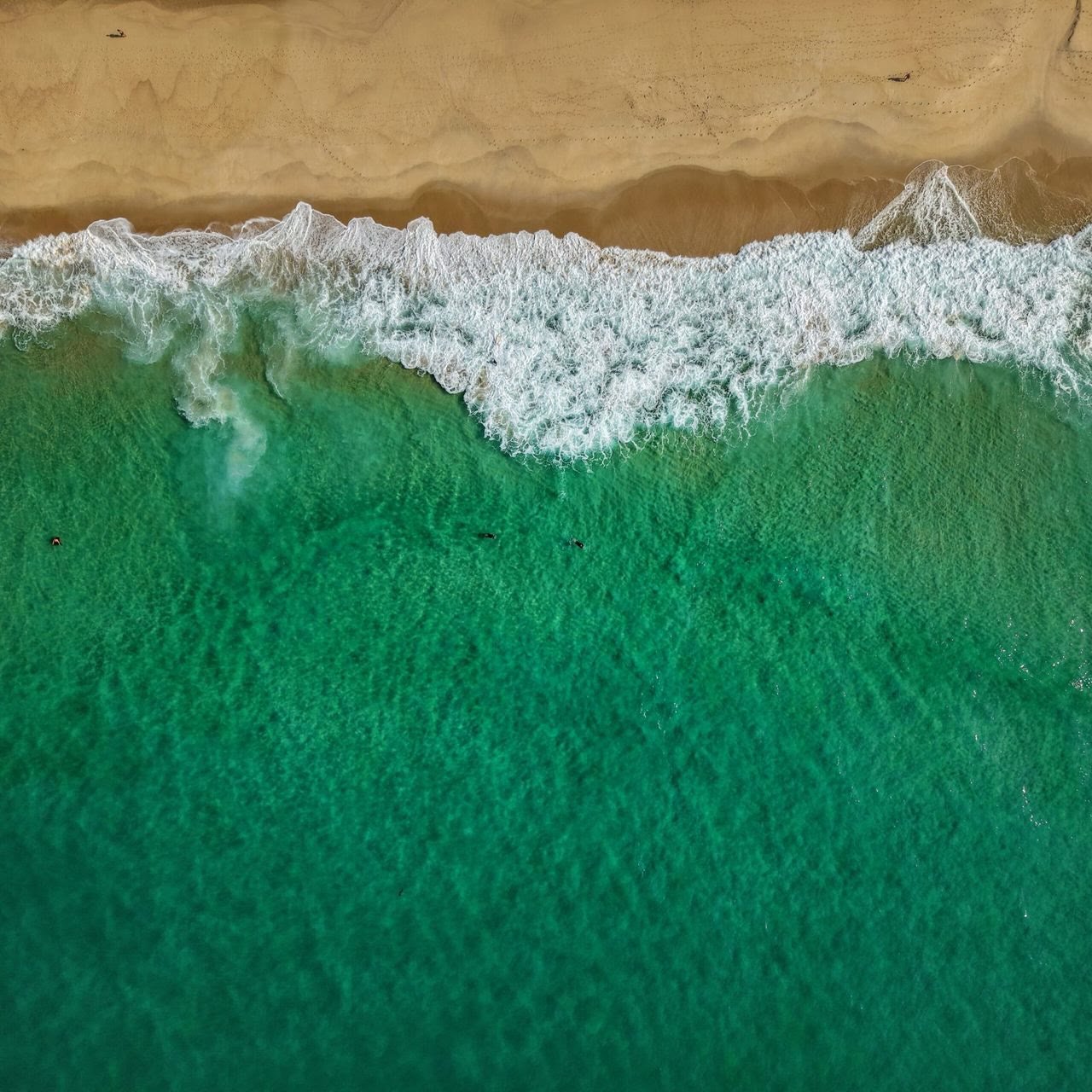 Is walking on sand harder? Why, and how to make the most of it
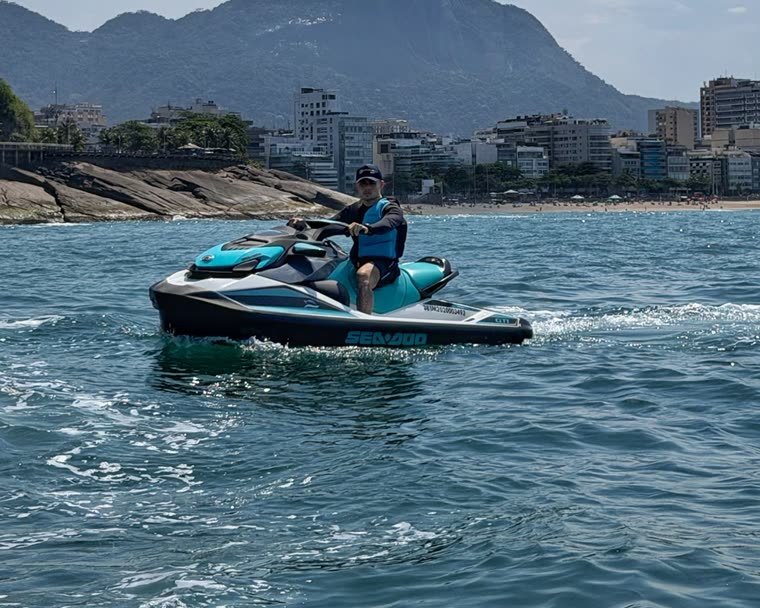 First time on a jet ski in Rio: how it works and what to bring
 Jet ski or boat tour in Rio: which one to choose?