Experiences, destinations and gear. Explore new places, discover what’s possible and live every adventure.
Tijuca Forest waterfalls: where you can swim and how to get there
By Rogers.Explore, a team that lives Rio’s sea and trailsUpdated on
Quick answer: In the Tijuca Forest, the park allows swimming at Cachoeira das Almas (Floresta sector, about 3 km from the gate) and at the Horto waterfalls (Quebra, Chuveiro and Primatas, near the Botanical Garden). Cascatinha Taunay is for looking, not swimming. The park is open every day, 8am to 5pm (on foot, the Floresta sector opens at 6am) and entry is free. Go on a weekday morning, and never right after heavy rain.
It’s just after 8am in Alto da Boa Vista. Down below, the city is starting to heat up, but up here the air feels different: humid, cool, smelling of wet earth. You walk through the stone gate, take the first bend in the road and hear the water before you see it. A short drive and you’ve traded Rio’s traffic for a real rainforest.
The trouble is that most guides stop there. They mention Cascatinha Taunay, show one photo and skip what actually matters: which waterfalls you can get into, how far you walk, how to get there without a car and when not to go. That’s what you’ll find here, checked against the official rules of Tijuca National Park.
The waterfalls side by side
| Waterfall | Where | Swimming | Effort | Best for |
|---|---|---|---|---|
| Cascatinha Taunay | Floresta sector, by the road | No (view only) | None: park and look | Quick photo, kids and older travelers |
| Cachoeira das Almas | Floresta sector, about 3 km from the gate | Yes | Moderate: road walk plus trail | Ice-cold dip after a full forest morning |
| Horto waterfalls (Quebra, Chuveiro, Primatas) | Horto, near the Botanical Garden | Yes | Easy to moderate: short trails | A swim close to the South Zone |
| Paineiras showers | Serra da Carioca sector | Yes | Easy | A cool-off on the way to Corcovado |
Our take: if you want to swim, head to Cachoeira das Almas or the Horto. If you want to see the forest with little effort, Cascatinha Taunay and the viewpoints fill a morning.
Cascatinha Taunay: the famous one, for looking
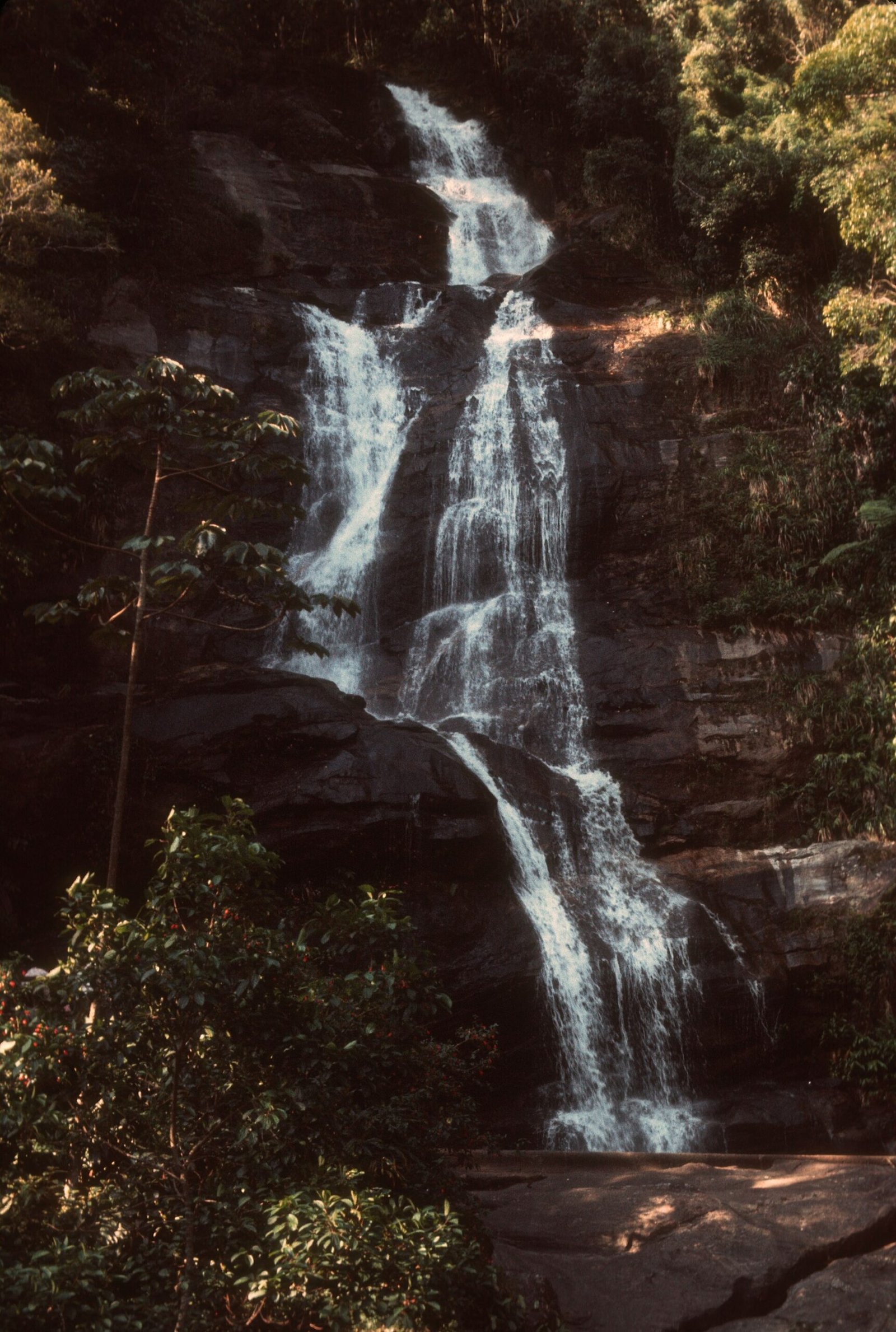
It’s the first big stop after the Alto da Boa Vista entrance. Water pours down a rock wall right beside the road, with a viewpoint for photos. The name honors the family of painter Nicolas-Antoine Taunay, who lived in the area in the 19th century.
It is not one of the park’s swimming waterfalls. The rocks are high and slippery, so enjoy it from the viewpoint. It’s a perfect stop with small kids, older parents or anyone who wants the forest without a hike.
Cachoeira das Almas: the Floresta sector swim
This is the best-known swimming waterfall in the Floresta sector, about 3 km from the entrance gate. The drop is small and the water is usually very cold, the kind of swim that wakes you up. The route follows the park road and ends on a forest trail.
Why it’s worth it: you can combine Cascatinha Taunay, the Mayrink Chapel, a pond for a snack and finish with the swim, all in one day. Careful: after heavy rain the water rises and gets stronger; on those days, just look. Wear shoes that grip wet rock.
Horto waterfalls: a swim near the South Zone
On the Botanical Garden side, the Horto has the Quebra, Chuveiro and Primatas waterfalls, all cleared for swimming by the park. Trails are short, and the park itself suggests Primatas for anyone who wants a waterfall without a tough hike. Access is through the Horto streets (such as Rua Pacheco Leão and Estrada Dona Castorina, near the Botanical Garden).
Best for: travelers staying in Ipanema, Leblon or Copacabana who want a morning waterfall without crossing the city.
Getting there and opening hours
- Hours: every day, 8am to 5pm. In the Floresta sector, walkers and cyclists can enter from 6am; everyone can stay until 6pm.
- Entry: free.
- By car: cars enter from 8am to 5pm, capped at 600 per day (300 morning, 300 afternoon) plus 80 motorbikes. On sunny weekends the quota can fill early.
- By bus: buses to Alto da Boa Vista (such as 301, 302 and 345) stop near Praça Afonso Viseu, the Floresta sector entrance. Check the route in a transit app first.
- By Uber: ask for Praça Afonso Viseu. Signal can drop inside the forest, so agree on a pickup point in advance.
- Vista Chinesa: on Estrada Dona Castorina, where cars are not allowed 7–9am on weekdays and 7am–7pm on weekends and holidays.
When NOT to go
- Right after heavy rain: water rises fast, turns muddy and the rocks get slick.
- Sunny weekends after 10am, if you’re driving: the parking quota can run out.
- Late afternoon for a long trail: the park stops entries at 5pm and the forest gets dark before the city does.
A one-day route (no stress)
- 8am: enter at Praça Afonso Viseu and stop at Cascatinha Taunay.
- 9am: the Mayrink Chapel, a small historic chapel in the woods.
- 10am: Açude da Solidão, a quiet pond for a shaded snack.
- 11am: swim at Cachoeira das Almas.
- 2pm: if your legs still have it, continue to Bom Retiro and climb Pico da Tijuca, the park’s highest point at 1,022 meters.
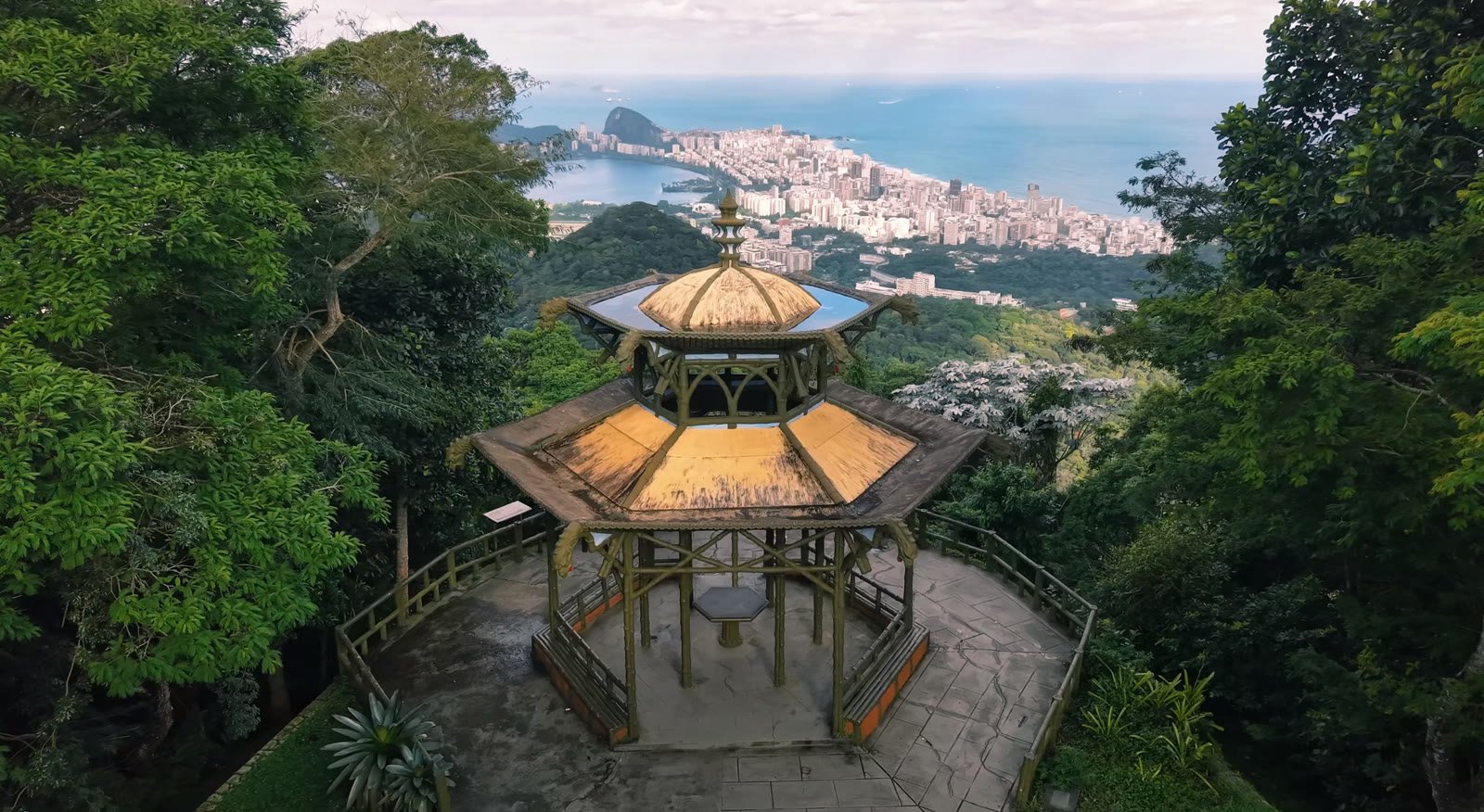
- Late afternoon: leave via Vista Chinesa (mind the car hours) for a view over the lagoon and Sugarloaf.
Rather not go alone or without a car?
The Floresta sector alone has around 200 km of trails, and many visitors prefer a guide: they know which pools are good that day, handle the hotel pickup, and you don’t worry about parking or phone signal. Guided Tijuca Forest tours with waterfalls and Vista Chinesa are on GetYourGuide and Viator. These are partner links: if you book through them, Rogers.Explore may earn a commission at no extra cost to you.
Park rules nobody tells you
- No shampoo, soap or lotion in the waterfalls (official guideline).
- No pets, don’t feed the animals, no fires and no offerings.
- Stay on marked trails and don’t cut corners: it’s risky and causes erosion.
- Take your trash back. There are no bins in the middle of the forest.
A forest that was planted by hand
Few visitors know that much of this forest was replanted. From 1862, on the orders of Emperor Dom Pedro II, Major Manuel Gomes Archer led the planting of about 100,000 seedlings in 13 years, mostly native Atlantic Forest species, to save the springs that supplied the city with water. That’s why there’s water running everywhere. Today Tijuca National Park covers about 3,958 hectares and is managed by ICMBio.
What to pack
Shoes that grip wet rock come first: most waterfall falls happen getting out of the water. Also bring water, snacks, insect repellent, swimwear under your clothes, a dry bag for your phone and a quick-dry towel. Full list in our Rio hiking checklist.
Pair it with the sea
Waterfall in the morning, ocean in the afternoon: Rio lets you do both. From Alto da Boa Vista, drive down to Barra da Tijuca and end the day on the beach or at the breakwater. For another kind of nature day, see the wild beaches of Prainha and Grumari or spend a morning at sea on the boat tour to the Tijuca Islands, leaving from Barra.
Read next
- Pico da Tijuca: how to reach the forest’s highest point
- What to bring on a Rio hike
- Tijuca Islands boat tour guide
FAQ
Can you swim at Cascatinha Taunay?
It is not one of the swimming waterfalls listed by the park. It sits right by the road and is meant to be seen from the viewpoint; the rocks are high and slippery.
Which Tijuca Forest waterfalls allow swimming?
According to Tijuca National Park, swimming is allowed at Cachoeira das Almas (Floresta sector), the Horto waterfalls (Quebra, Chuveiro and Primatas) and the Paineiras showers.
Is there an entrance fee for the Tijuca Forest?
No, entry to the Floresta sector is free. Cars are capped: 600 per day (300 in the morning and 300 in the afternoon) plus 80 motorbikes.
What are the Tijuca Forest opening hours?
The park is open every day from 8am to 5pm. In the Floresta sector, walkers and cyclists can enter from 6am, and everyone can stay until 6pm.
Can I get there by bus?
Yes. Buses heading up to Alto da Boa Vista, such as lines 301, 302 and 345, stop near Praça Afonso Viseu, the Floresta sector entrance. Check the route in a transit app before you leave.
What is the best time to go?
The park recommends weekdays between 8am and 11am: fewer people, easier parking and cleaner water. Skip the falls right after heavy rain, when the water rises fast and the rocks get slippery.
Is the Tijuca Forest safe for tourists?
The main visitor areas are busy and well used during opening hours. Go in daylight, stay on marked trails, keep your phone out of sight on the road and consider a guided tour if it is your first time.
Sources
- Tijuca National Park: waterfall swimming (where it’s allowed, in Portuguese)
- Tijuca National Park: visitor guidelines (in Portuguese)
- Tijuca National Park: visiting rules, hours and cars (in Portuguese)
- Tijuca National Park: places in the Floresta sector (in Portuguese)
- ICMBio: Tijuca National Park
- Wikipedia: reforestation history of the Tijuca Forest (in Portuguese)
Safety first: Outdoor and sea activities depend on the weather and the conditions of the day. Respect your limits, use safety gear and check local rules before you go.
Follow Rogers.Explore
Places, tips and behind the scenes of adventures in Rio, right on my social media.
Keep exploring Rio
 Is walking on sand harder? Why, and how to make the most of it
 First time on a jet ski in Rio: how it works and what to bring
 Jet ski or boat tour in Rio: which one to choose?
Transparência: alguns links desta página são de afiliado (Shopee, Amazon e Mercado Livre). Se você comprar por eles, o Rogers.Explore recebe uma pequena comissão, sem custo extra para você.